17–22 PM Hours Saved per Project With AI Workflows
We developed a git-and-Markdown project workspace where a bureau's PM methodology runs as executable Claude skills, fed by every call, document, and email on a project.
A Claude skill is a pre-built instruction package that teaches Claude to do one job the same way every time. You load it once; Claude follows its steps and references on every run.

Client & Context
A Netherlands-based architecture and design bureau delivers 5–10 building projects a year. Project leads carry briefs, stage breakdowns, kickoffs, and meeting minutes across every project.
Each project is unique enough to resist one unified automation. So most of this work stayed manual.
Project leads already used AI. Tying those scattered efforts into one useful system was the open question, so they hired us for a POC to test whether it was even possible.

The bureau ships 5–10 building projects a year out of rooms like this — and until the workspace, every brief, kickoff, and set of minutes was carried by hand from one project to the next.
Goals
- 1Connect scattered project context into one source of truth.
- 2Free project-lead hours on every project.
- 3Stay free of tool and vendor lock-in.
Challenges & How We Overpowered Them
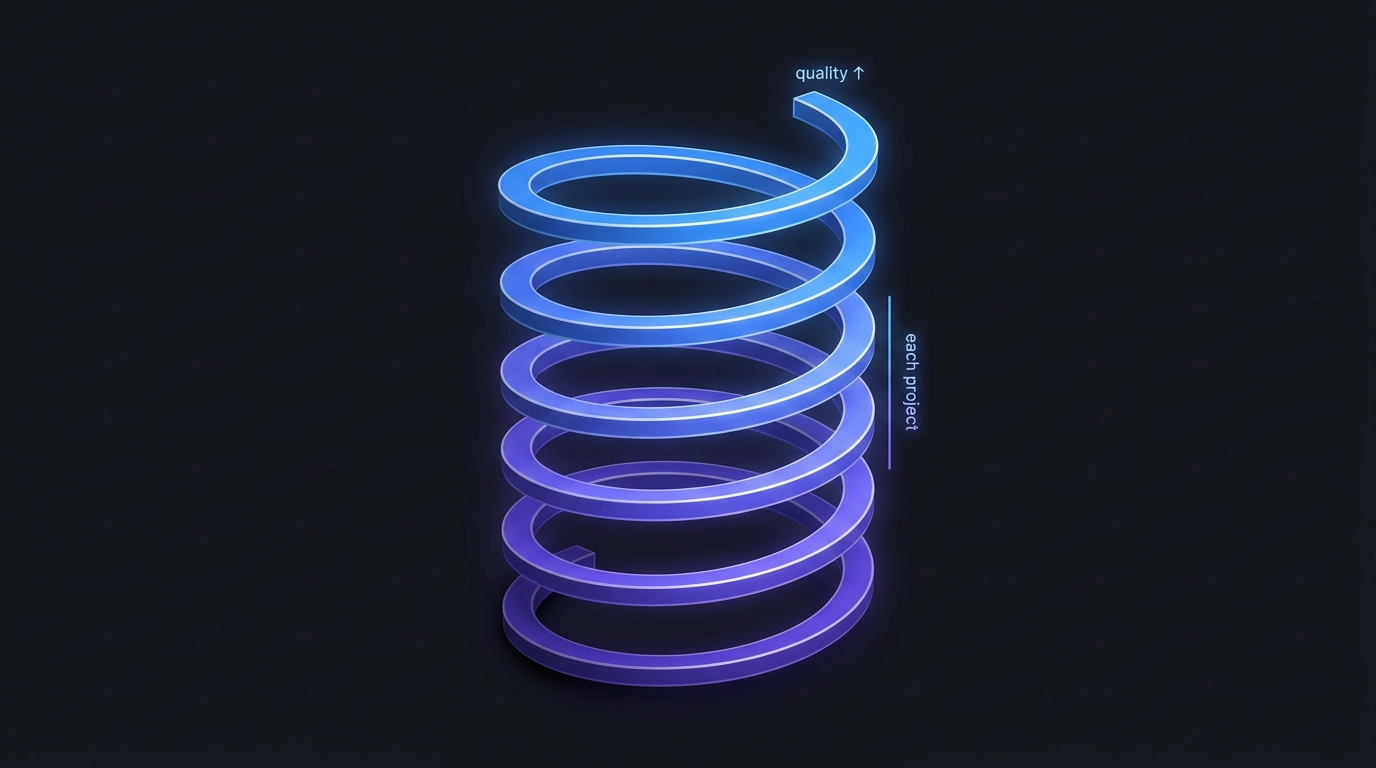
Each finished project feeds corrections back into the skills, so quality climbs instead of slipping when one lead is stretched across several jobs at once.
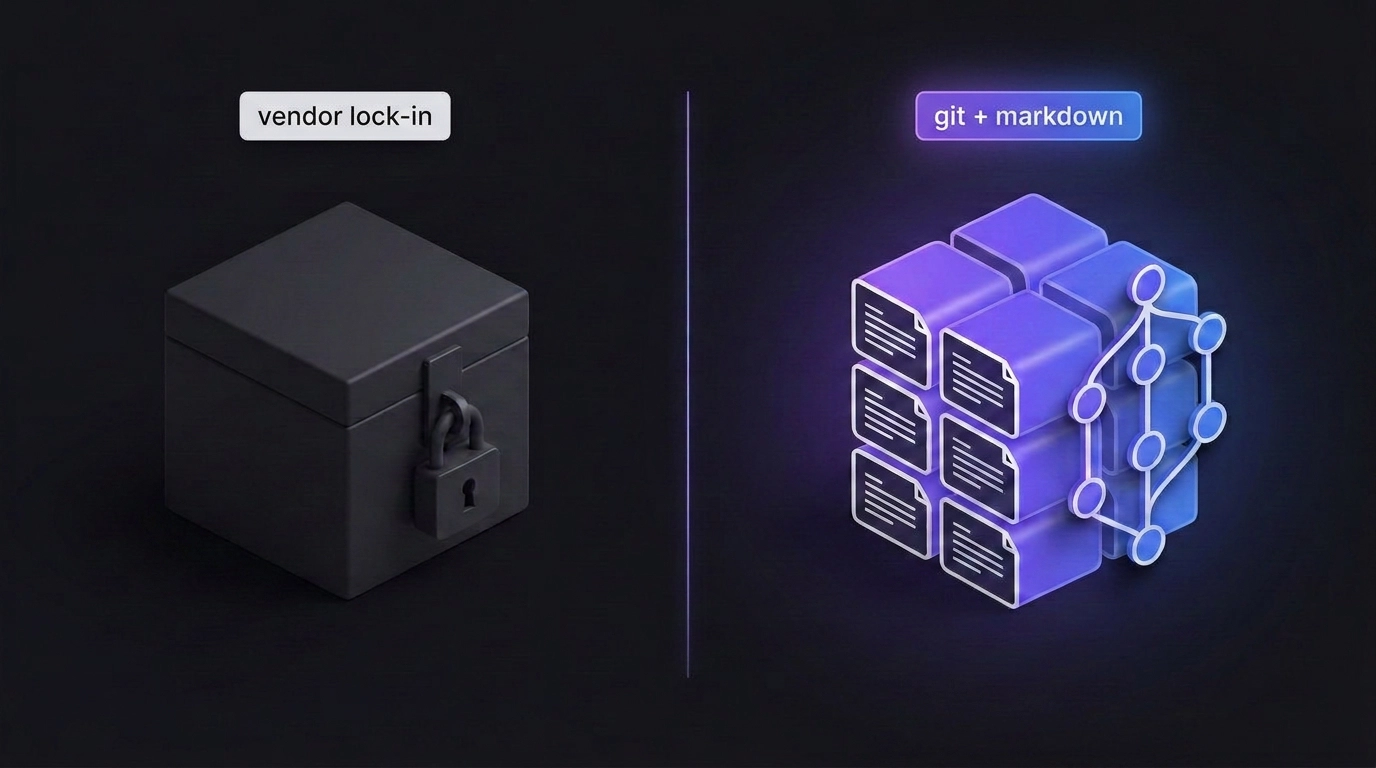
Keeping everything in plain git and Markdown means the bureau owns its method outright — nothing to renew, and no closed software to migrate off when the model changes.
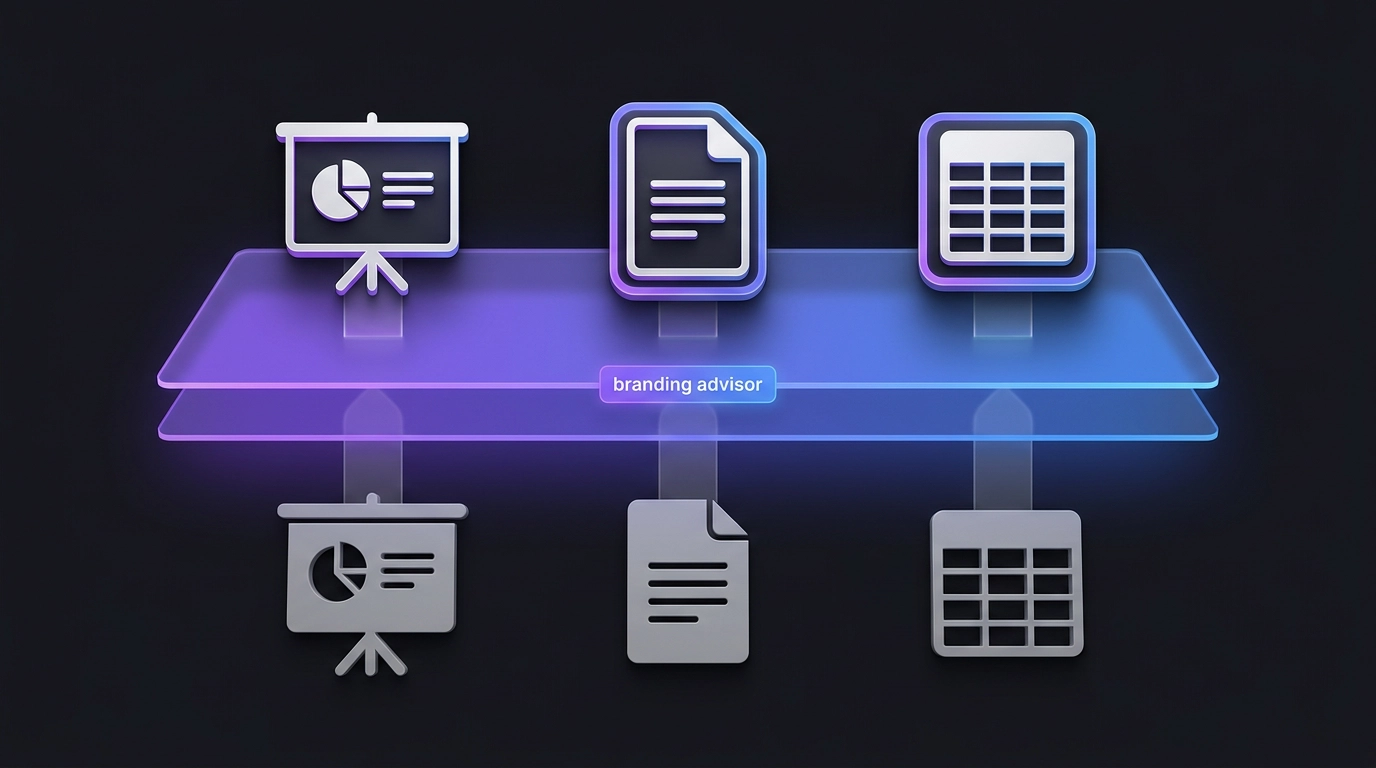
The branding-advisor skill styles plain drafts, so a deck or document ships on-brand without anyone formatting it by hand.
From Scattered Paper Trails to a Living Project Repo
Re-engineering how a project runs
The real work was in flipping the workflow so every call, brief, email, and decision landed in one shared context layer instead of disappearing into notebooks, inboxes, and memory.
Once the data lands in one place, automation finally has something to stand on.
For the PoC, Git and Markdown were the practical foundation for that layer: transparent, portable, and readable by every agent working on the project.
The context layer — a second brain
Calls, documents, and correspondence become raw material. The reference artifacts sit in context from day one, so a layer of decisions and nuance builds up.
"MEMORY.md" holds the bureau's conventions, drawing standards, and stage method.
The skills only start to pay off once enough correct data sits behind them.
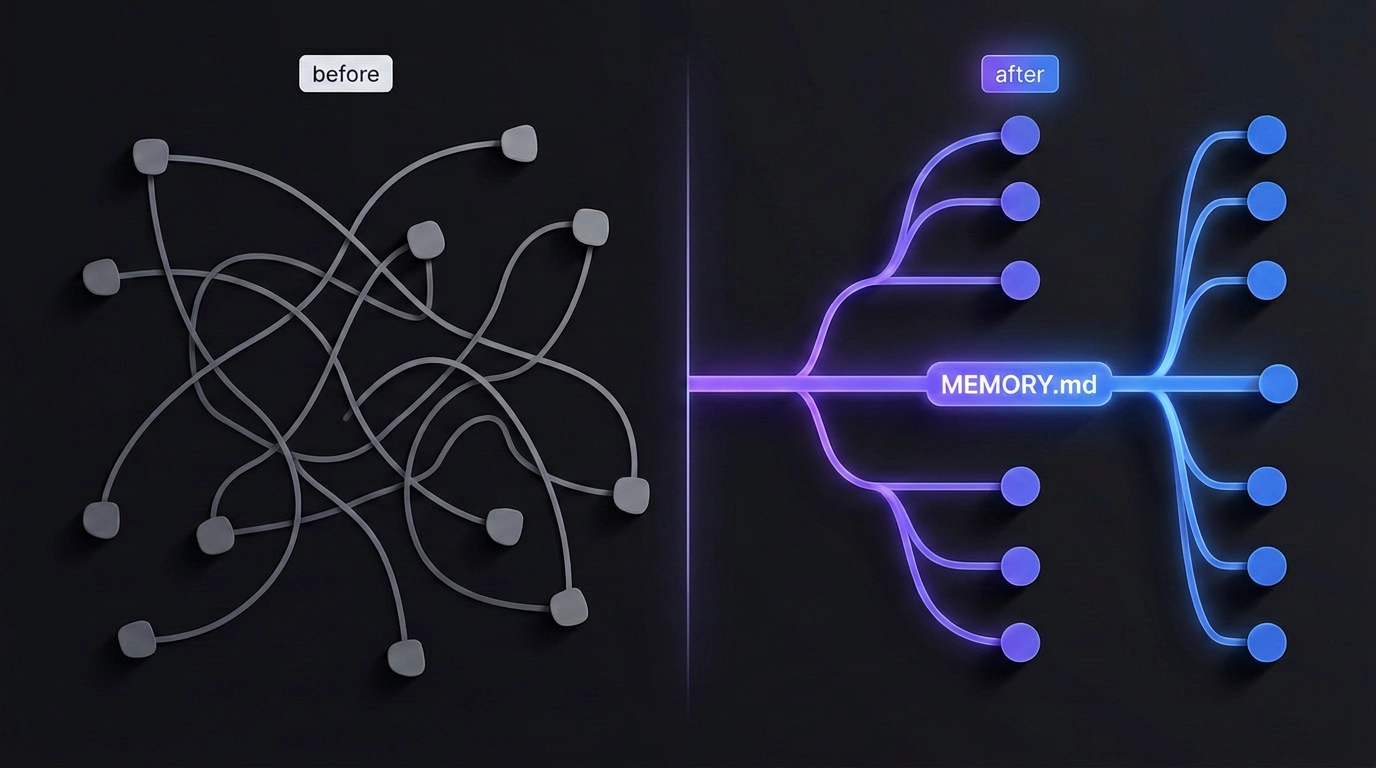
The shift the whole system rests on: calls, documents, and decisions stop scattering and converge on one readable layer every skill can draw from.
Git and Markdown as the foundation
The source of truth lives in the repo. Notion, Google Docs, and trackers are display layers for client and team.
Storage stays model-agnostic — swap the LLM tomorrow against the same files, and nothing breaks. No project data sits locked inside closed SaaS.
Skills as the thin top layer
Different project tasks get different skills. "Project-brief" drafts a canonical brief from the Evidences folder; "meeting-summary" turns a transcript into an email-ready recap.
Each skill self-improves after every real project.
Compliance & Security
Results
- 1~17–22 hours of lead time saved per project.
- 2At 5–10 projects a year — 2–4 working weeks reclaimed.
- 3Meeting recaps: 5–8 hours → 30 minutes per project.
- 4The methodology now transfers through a working tool, not a forgotten wiki.
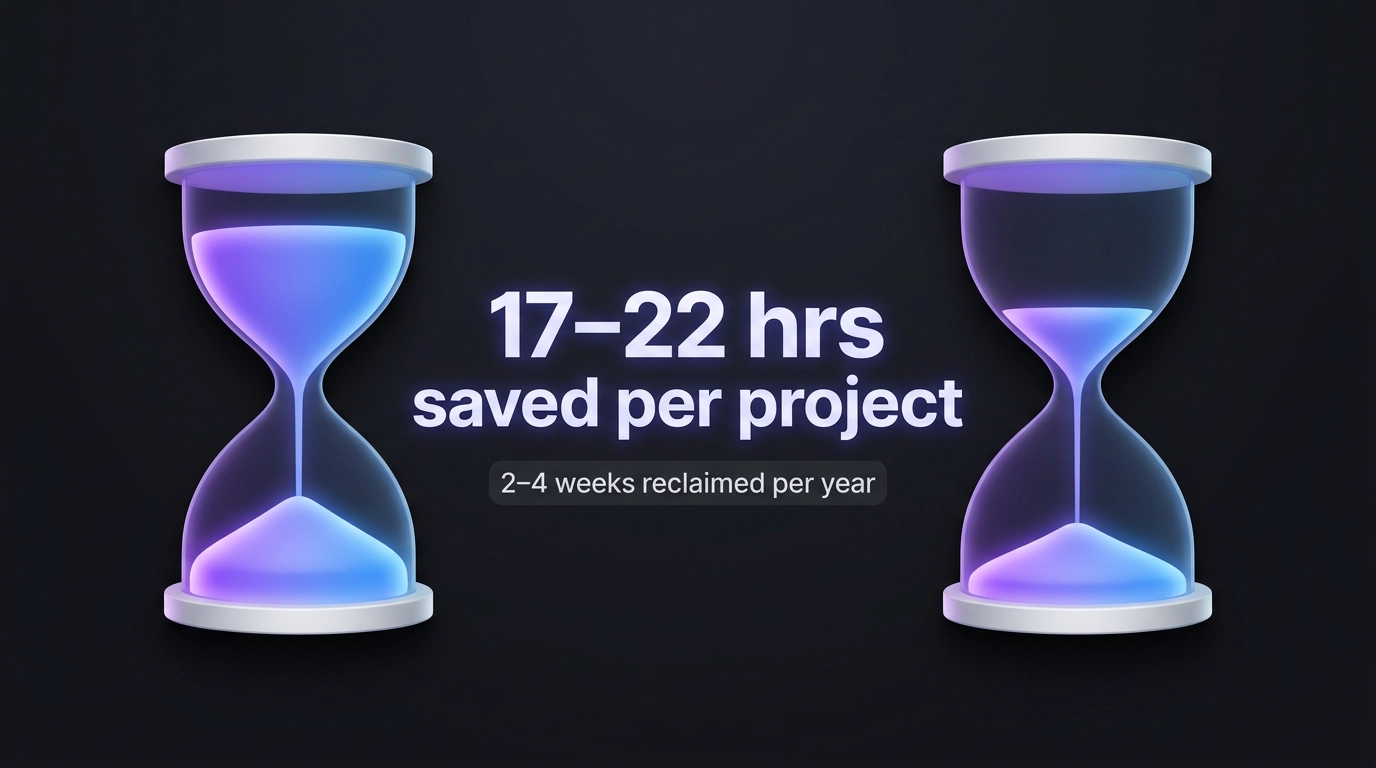
Most of that reclaimed time comes from one task: meeting recaps that used to run 5–8 hours now take about 30 minutes per project.